
APPARENT BULK DENSITY
Bulk Density is a property of powders,granules and other "divided" solids<, especially used in reference to mineral components (soil, gravel), chemical substances,(pharmaceutical)ingredients foodstuff or any other masses of corpuscular or particulate matter.
Full Description
Bulk Density is a property of powders,granules and other "divided" solids<, especially used in reference to mineral components (soil, gravel), chemical substances,(pharmaceutical)ingredients foodstuff or any other masses of corpuscular or particulate matter. It is defined as the mass of many particles of the material divided by the total volume they occupy. The total volume includes particle volume, inter-particle void volume and internal pore volume. Bulk density is not an intrinsic property of a material; it can change depending on how the material is handled. For example, a powder poured in to a cylinder will have a particular bulk density; if the cylinder is disturbed, the powder particles will move and usually settle closer together, resulting in a higher bulk density. For this reason, the bulk density of powders is usually reported both as "freely settled" (or "poured" density) and "tapped" density (where the tapped density refers to the bulk density of the powder after a specified compaction process, usually involving vibration of the container.)
ASTM D1895 Method A
Primarily used to measure the apparent density of fine granules that can be poured readily through a “V” shaped funnel, the material under test is allowed to flow into a cylindrical cup with a known volume of 100cm³.
Tests that can be conducted are
- Apparent Density
- Bulk Factor
- Pourability
- Technical Specification
Conforms to ASTM D1895 Method A
V shaped funnel
Measuring cup 100cm³
Stand with funnel shut off
ASTM D1895 Method B
The Larger of the ASTM family Method B is primarily used to measure the apparent density of larger coarse granular materials, dice or pellets that cannot be poured readily through the method A funnel. The material under test is allowed to flow into a cylindrical cup with a known volume of 400cm³.
Tests that can be conducted are
Apparent Density
Bulk Factor
Pourability
Technical Specification
Conforms to ASTM D1895 Method B
V shaped funnel
Measuring cup 400cm³
Stand with funnel shut off
ASTM D1895 Method C
For course flakes, strands, chips and cut fibres that cannot be poured using test methods A and B Ray-Ran offer a measuring cylinder and plunger to method C of the ASTM test standard. Since these types of materials to be tested are very bulky when loosely poured and are usually compressed to lessen the bulk, a measure of their density under a small compression load is very useful. For this test a Measuring cylinder of 1000 cm³ is supplied along with a scaled weight plunger with 1mm graduations on the outside. Lead shot is used to increase the plunger weight to 2300g to compress the material under test.
Tests that can be conducted are
- Apparent Density
- Technical Specification
Conforms to ASTM D1895 method C
- Measuring funnel
- Weight plunger
- Lead shot (optional)
- ISO Method R60
Primarily used to measure the apparent density of moulding material that can be poured readily through a specified funnel, the material under test is allowed to flow into a cylindrical cup with a known volume of 100cm³.
Tests that can be conducted are
- Apparent Density
- Bulk Factor
- Pourability
- Technical Specification
Conforms to ISO R60 specification
- Measuring cup 100cm³
- Stand with funnel shut off
Applicable standards
ASTM D1895 : Standard Test Methods for Apparent Density, Bulk Factor, and Pourability of Plastic Materials
More from Ray-Ran Test Equipment Ltd
View all Ray-Ran Test Equipment Ltd products →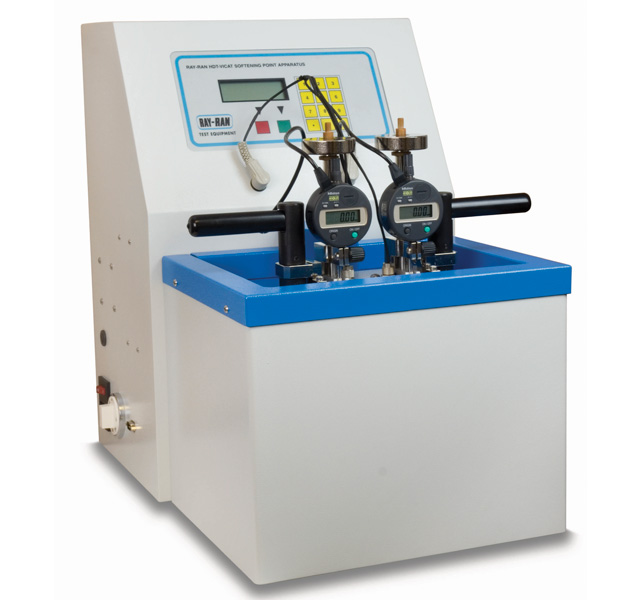
2 STATION ADVANCED HDT VICAT SOFTENING POINT APPARATUS
Designed and built to cover multiple International Testing Standards the Ray-Ran Advanced HDT/Vicat Apparatus utilises…
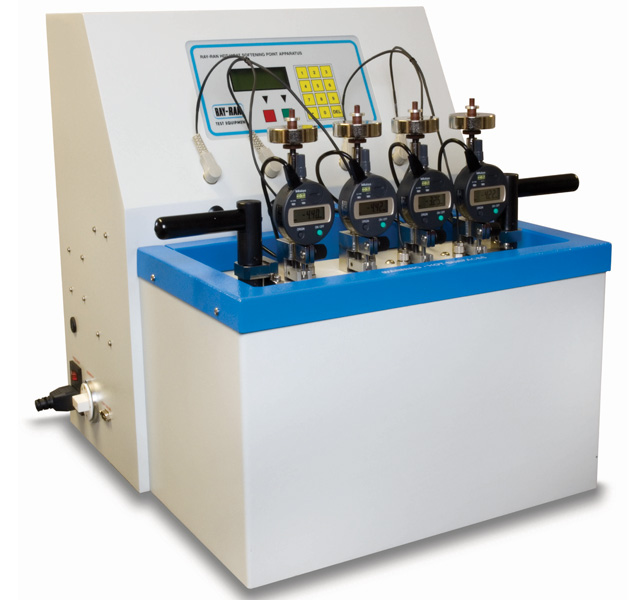
4 STATION ADVANCED HDT VICAT SOFTENING POINT APPARATUS
Designed and built to cover multiple International Testing Standards the Ray-Ran Advanced HDT/Vicat Apparatus utilises…
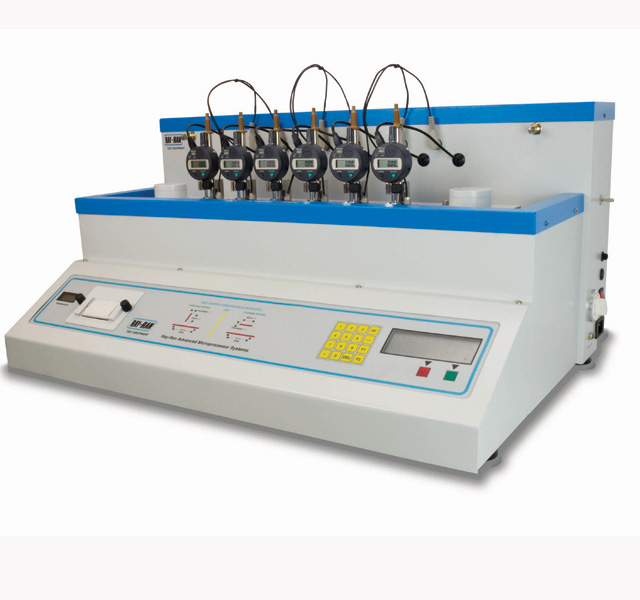
6 STATION ADVANCED HDT VICAT SOFTENING POINT APPARATUS
For maximum testing capability look no further than the Ray-Ran Advanced 6 Station HDT/Vicat Apparatus.
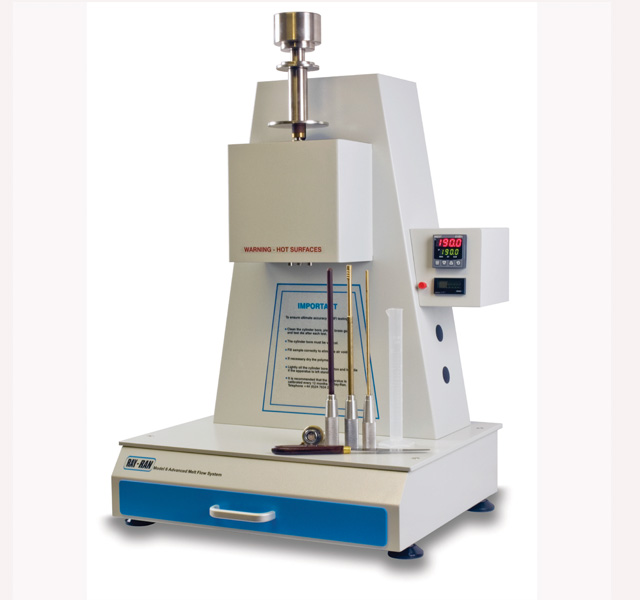
6MBA Melt Flow Tester
The 6MBA is the basic model offered within the Ray-Ran Range of Melt Flow Indexers
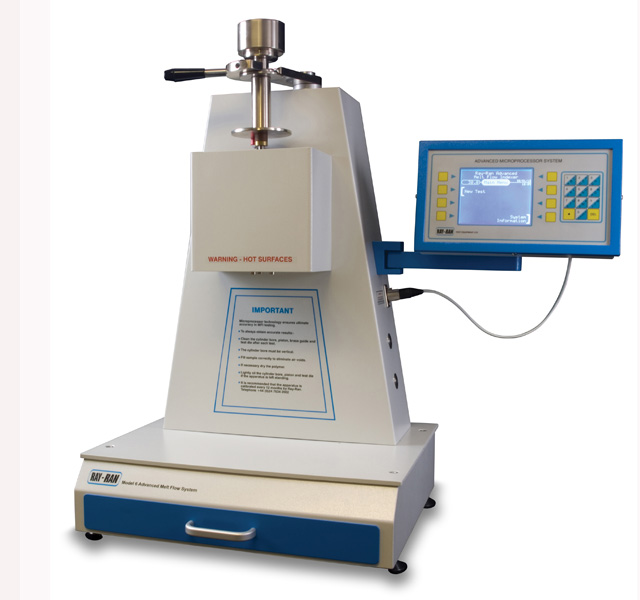
6MPCA Advanced Melt Flow Tester With Techni Test Software
The 6MPCA is the most advanced model offered within the Ray-Ran Range of Melt Flow Indexers.
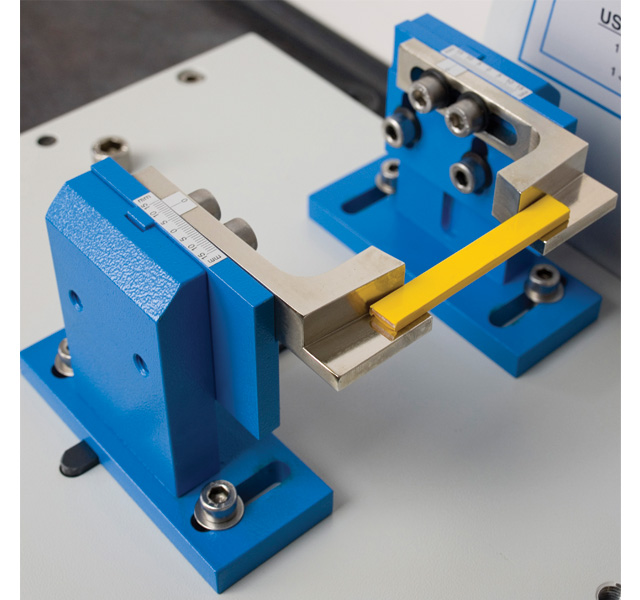
ADVANCED UNIVERSAL PENDULUM IMPACT TESTER
ADVANCED UNIVERSAL PENDULUM IMPACT TESTER WITH TECHNI-TEST SOFTWARE
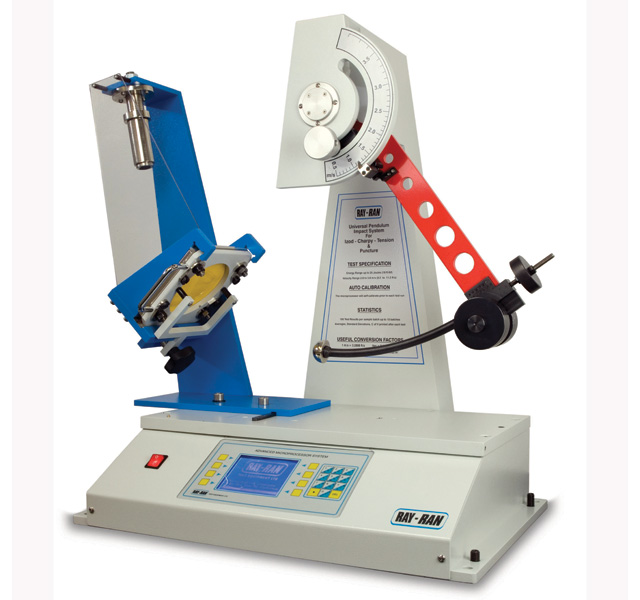
ADVANCED UNIVERSAL PENDULUM PUNCTURE IMPACT TESTER
Advanced Universal Pendulum Impact Tester
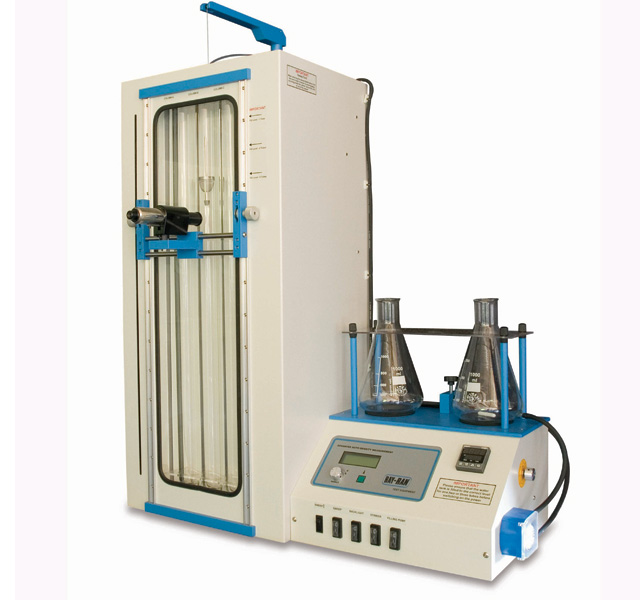
AUTO DENSITY GRADIENT COLUMN
The Auto Density Gradient Apparatus from Ray-Ran has become the world’s benchmark for accurate density measurement of…
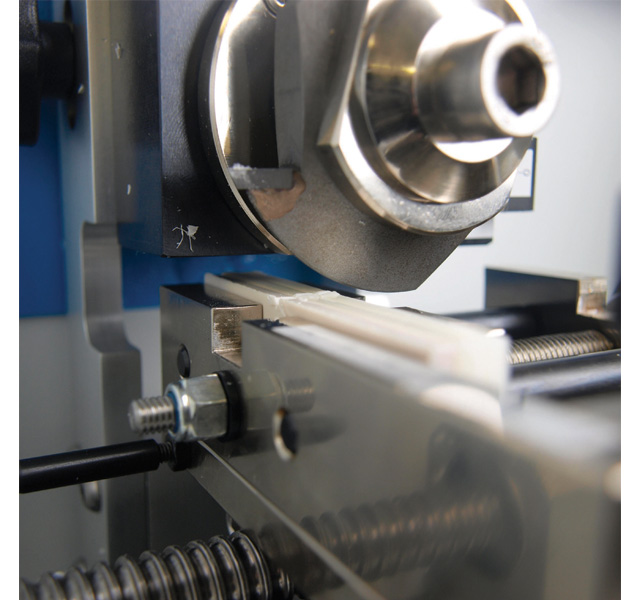
AUTOCYCLE TEST SAMPLE NOTCHING CUTTER
To produce precise stress concentrated notch profiles in Impact and Charpy specimens look no further than the Ray-Ran…
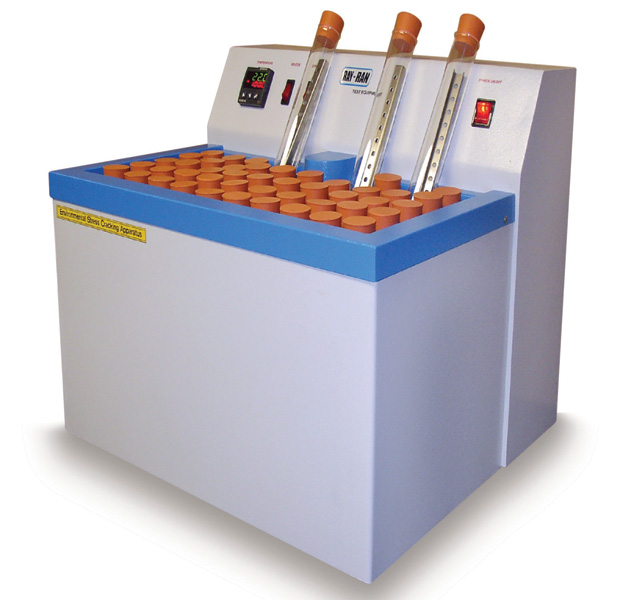
ENVIRONMENTAL STRESS CRACKING APPARATUS
The Ray-Ran Environmental Stress Cracking Apparatus determines the susceptibility of ethylene plastics to…
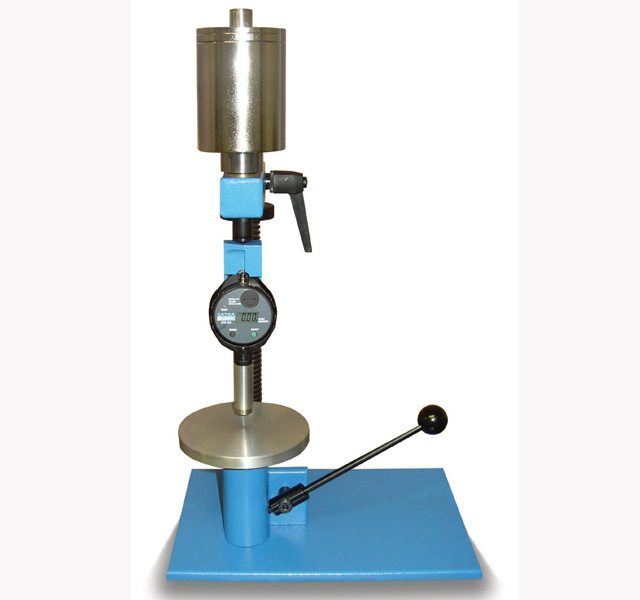
INDENTATION HARDNESS TESTERS
For accurately checking the shore hardness of a wide range of elastomers and plastic materials the Ray-Ran range of…
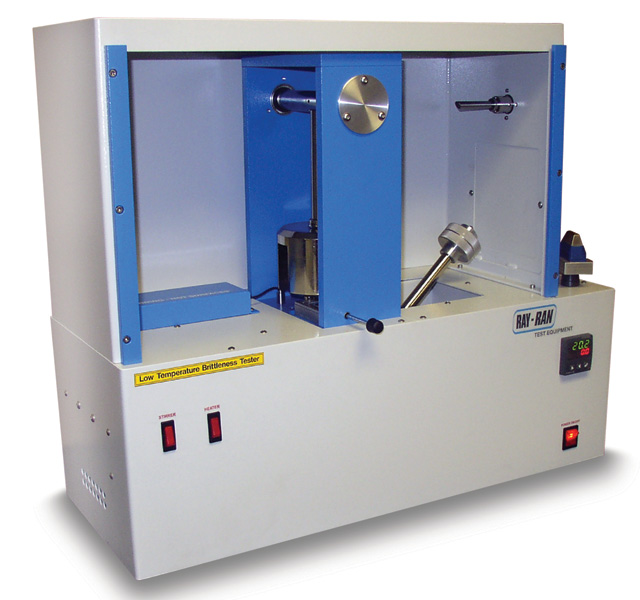
LOW TEMPERATURE BRITTLENESS TESTER
The Ray-Ran Low Temperature Brittleness Tester has been designed to study the effects low temperatures have on plastic…